Nestled in the quiet village of Pejeng, Bali, lies a site steeped in mystery and history: Goa Garba. Far removed from Bali's buzzing beaches and modern resorts, this ancient sanctuary whispers stories of an era gone by. Its not just a place; its a gateway to the islands spiritual past, framed by the lush greenery of Bali's heartland.
Goa Garba isnt on every travelers itinerary, making it an unspoiled gem for those who crave an intimate encounter with Balis historical essence. Whether youre an avid history enthusiast or someone seeking solace in tranquil surroundings, Goa Garba promises a unique blend of natural beauty, cultural depth, and historical intrigue.
Exploring Goa Garba: An Ancient Temple Hidden in Plain Sight
The meaning of Goa Garba, is an archeological treasure in Pejeng, Bali, dating back to the 12th century. Situated near the Pura Kebo Edan Temple, this site usually eludes tourist routes, though it possesses extreme cultural and historical value. Cut with utmost care into rocky cliffs, Goa Garba illustrates the craftsmanship of Bali's ancestors that reflects their deep spiritual and artistic heritage.
The entrance to the cave is almost mystical, with dense foliage over the entrance. Inside the cave, visitors are greeted by intricate stone carvings that tell stories of the ancient Balinese Hindu kingdom. Despite its modest size, the cave exudes strong, peaceful energy, making it a great place for meditation and reflection. There is a strong belief that in the ancient dynasties of Bali, priests and kings used Goa Garba as a sacred meditation site, helping them grow spiritually and govern.
This legendary connection with the Mahabharata, a very sacred Hindu epic, makes it alluring. According to local lore, it is said that the Pandavas, heroes of the epic-sought, refuge in Goa Garba while they were in exile. This legend, although not proven to be true, has given a mythical dimension to the site, blending history with folk tales. This enchanting blend of architectural beauty, spiritual significance, and legendary tales makes Goa Garba a captivating destination for those seeking a deeper understanding of Bali's rich past.
The Spiritual Landscape of Pejeng
Pejeng is a village often overshadowed by its neighbor, Ubud, but it holds treasures of its own. Known as the Moon of Pejeng due to the nearby ancient bronze drum housed in the Pura Penataran Sasih Temple, the area is rich in cultural significance. Goa Garba sits as a silent witness to this enduring legacy, embodying the spiritual heart of the village.
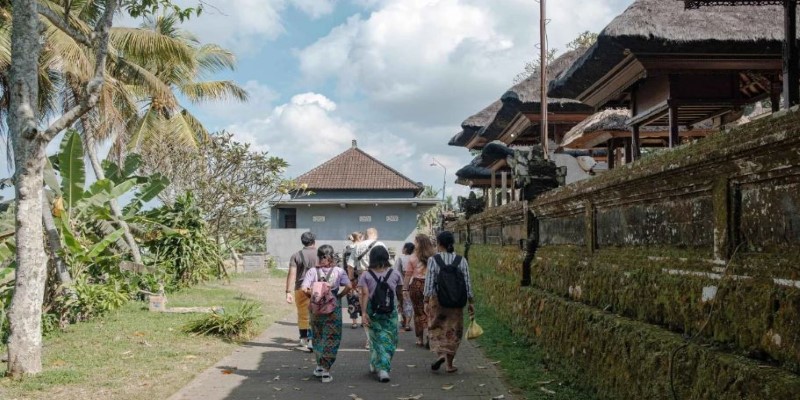
The surrounding landscape is nothing short of a sanctuary. Imagine cascading rice terraces shimmering under the sun, tranquil streams whispering through the greenery, and the gentle hum of nature creating a serene backdrop. For centuries, Pejeng has been a spiritual hub, attracting monks, scholars, and seekers of inner peace from all walks of life. Even today, locals visit Goa Garba to pay homage and meditate, maintaining the sacred connection of the space to their daily lives.
Visitors often describe the experience as transformative. The combination of natural beauty, historical resonance, and spiritual energy creates an atmosphere that invites deep introspection. Its not merely a sightseeing spot; its a place to reconnect with something larger than oneself. Walking through Pejeng, one can feel the palpable sense of history and spirituality intertwining, offering a profound sense of tranquility and reflection.
Visiting Goa Garba: A Blend of Adventure and Reverence
Reaching Goa Garba is an adventure in itself. The path leading to the site is a winding trail that takes you through lush landscapes. While the trek isnt overly strenuous, it requires a bit of care, especially during the rainy season when the trails can be slippery. The journey, however, is part of the charm. Along the way, youll encounter views of terraced fields, ancient banyan trees, and possibly a friendly local eager to share a story or two about the area.
Once at the site, its important to approach with respect. Goa Garba isnt just a tourist attraction; its a sacred space. Modest clothing and a quiet demeanor are encouraged. The atmosphere inside the cave is serene, almost meditative. Some visitors leave offerings, a gesture that pays homage to the local customs and the spirits believed to reside here.
Photography enthusiasts will find the site endlessly captivating. The interplay of light and shadow inside the cave, combined with the natural surroundings, makes for stunning compositions. However, its worth setting the camera aside for a moment to simply absorb the ambiance.
Why is Goa Garba worth Exploring?
While Bali is dotted with temples and ruins, Goa Garba stands out for its authenticity. It's not as commercialized as some of the island's more famous sites, allowing visitors to experience it in a relatively untouched state. The lack of large crowds makes it easier to feel connected to the space and to imagine what it must have been like centuries ago when priests and kings meditated here.
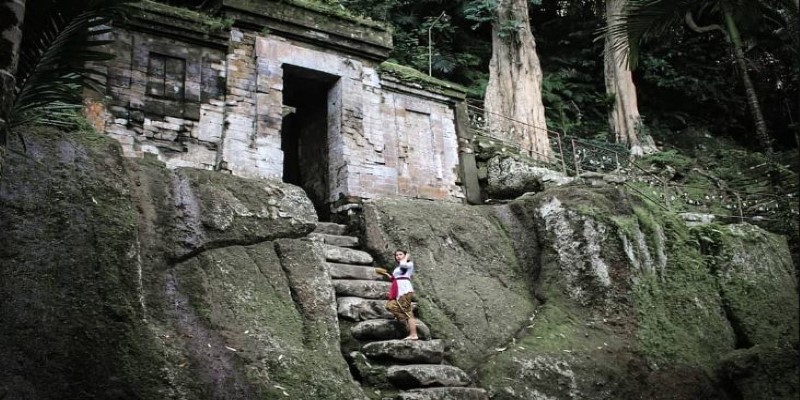
For those interested in archeology, Goa Garba offers a glimpse into the early craftsmanship and spiritual practices of the Balinese people. The carvings and architecture reflect the ingenuity of the time, seamlessly blending utility with artistic expression. The site also serves as a poignant reminder of the deep roots of Hinduism in Bali, a tradition that continues to thrive today.
Conclusion
Goa Garba is more than an ancient temple ruin; its a bridge to Balis soul. Tucked away in the serene village of Pejeng, it invites travelers to step away from the ordinary and embrace the extraordinary. Whether youre marveling at its intricate carvings, soaking in the tranquility of its surroundings, or reflecting on the layers of history it holds, Goa Garba leaves an indelible mark. Bali may be known for its beaches and vibrant entertainment, but places like Goa Garba remind us of the islands spiritual and historical depth. Its a destination that rewards curiosity, offering a quiet yet profound adventure into the heart of Balinese heritage.