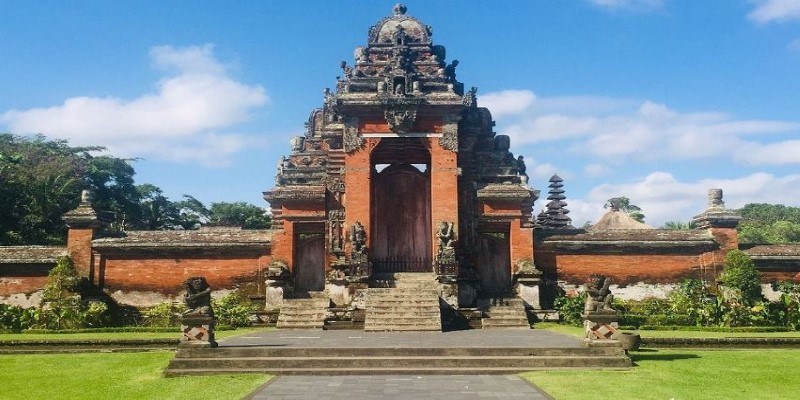
The Taman Ayun Temple, nestled in the serene village of Mengwi, Bali, is a breathtaking blend of history, culture, and spirituality. Built-in the 17th century by the Mengwi royal family, its name translates to "beautiful garden," perfectly capturing the tranquil ambiance of the temple and its lush surroundings. Enclosed by a wide moat and adorned with intricate shrines and multi-tiered towers, Taman Ayun is a testament to Bali's architectural brilliance and deep spiritual roots.
This UNESCO World Heritage site is a great place to visit, offering an opportunity to understand the Hindu traditions and royal heritage of Bali. It could be either cultural enrichment or just a moment of reflection as you find time to visit Taman Ayun.
The Historical Significance of Taman Ayun Temple
Taman Ayun Temple is one of the cornerstones of Balinese culture, with a history dating back to the 17th century. It was built in 1634 by the royal family of Mengwi as a testament to their faith and power. The name "Taman Ayun," or "beautiful garden," describes the peaceful and scenic landscapes surrounding this spiritual haven. This temple was planned to be a place of worship to integrate the royal family with local members and their community within worship activities. Over its religious purposes, the Mengwi kingdom, at its glory, exemplified its power and prestige.
Taman Ayun is, in itself, an indication of the spiritual essence it contains. Dedicated to the gods and spirits of Balinese Hinduism, the heart of the island's cultural identity, this temple stood as a sacred bond between earth and heavens to guarantee harmony and protection for the people of Mengwi. Through centuries, it has been preserved to become the spiritual hub of the land.
In 2012, Taman Ayun Temple was included in the list of UNESCO World Heritage sites, establishing its global cultural importance. This status will ensure its historical legacy so that future generations can connect with the beauty and spirituality of this remarkable site.
The Unique Architecture of Taman Ayun Temple
Taman Ayun Temple is a stunning example of traditional Balinese architecture, reflecting both artistic mastery and spiritual depth. Its design embodies Balinese Hindu cosmology, with each section of the temple representing a journey toward the divine. The complex is divided into three main enclosures: the outer Jaba Pura, which serves as the entrance; the middle Jaba Tengah, housing shrines and pavilions; and the innermost Jeroan, reserved for sacred rituals and priests.
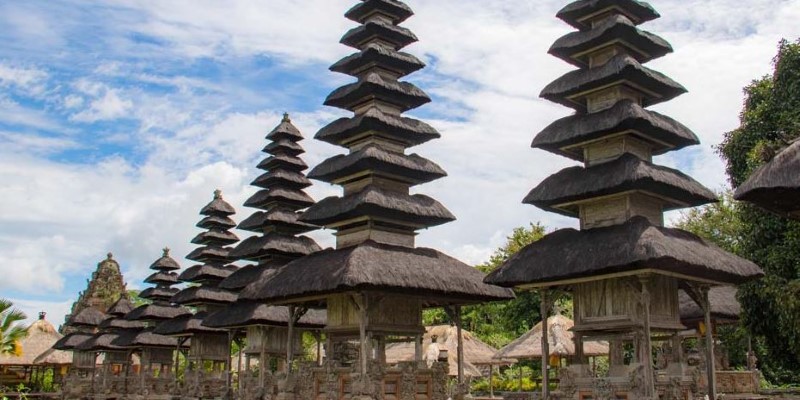
The temple is renowned for its towering meru structures and multi-tiered pagodas, which symbolize the connection between the earthly and spiritual realms. This merus, with up to 11 levels, honors various deities, and its height reflects its significance. Intricately carved from wood and topped with long-alanga long-alang grass, these towers stand as a testament to Balinese craftsmanship.
Encircled by a wide moat, the temple is also celebrated for its landscaped gardens. Visitors cross a bridge to enter this serene space, where tranquil waters, verdant lawns, and vibrant blooms enhance the temple's peaceful atmosphere. Taman Ayun is not only a spiritual sanctuary but also a showcase of nature and artistry in perfect harmony.
Cultural and Spiritual Importance
Taman Ayun Temple is deeply woven into Balis spiritual and cultural fabric. It serves as a sacred place for ceremonies, offerings, and rituals that embody the islands unique form of Hinduism. The temple is dedicated to major Hindu deities, including Lord Shiva, Vishnu, and Brahma, and remains a focal point for local religious life.
The temples design also symbolizes the royal Mengwi familys devotion and power. Its cultural significance lies in its role as a living temple where age-old traditions continue to thrive. Visitors often witness ceremonies that showcase Balis distinctive blend of art, faith, and community life. These rituals provide a rare glimpse into the daily spiritual practices of the Balinese people.
Taman Ayun is not just a historical landmark but a vibrant, active center of worship. Its enduring presence highlights the depth of Balis spiritual traditions and their connection to the islands history and culture.
Visiting Taman Ayun Temple: What to Expect
A visit to Taman Ayun Temple is a tranquil journey into Balis cultural and spiritual heart. Located in Mengwi, about 18 kilometers north of Denpasar, the temple is easily accessible for day trips. The serene atmosphere, enhanced by its lush gardens and scenic setting, welcomes visitors looking for a peaceful retreat.
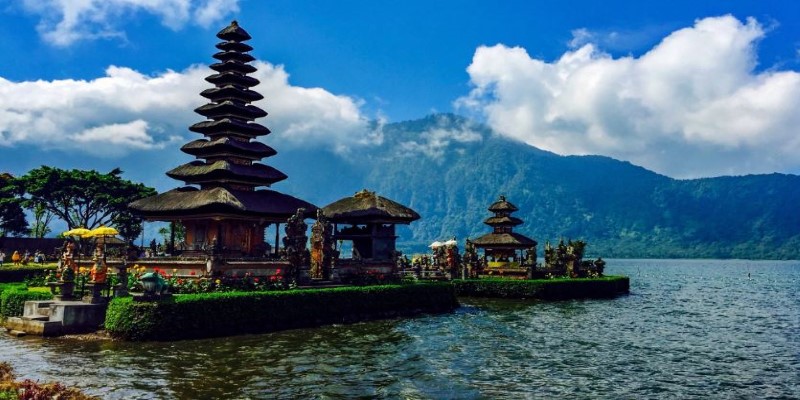
As you approach the temple, youll be captivated by its wide moat and striking murumuru towers. Crossing the bridge into the temple grounds feels like stepping into another world. The outer courtyard invites exploration, while the inner sections reveal the intricate shrines and structures that define the temples spiritual importance. While the inner sanctum remains reserved for priests and devotees, the rest of the complex offers plenty to admire.
Dress modestly to show respect for this sacred sitecovering shoulders and knees is customary. Visitors often encounter ongoing rituals or ceremonies, providing a firsthand look at Balinese religious practices. These moments, paired with the temples calming environment, create a reflective experience.
Whether youre drawn by the temples architectural splendor or its cultural richness, Taman Ayun Temple offers something for everyone. Its serene beauty, paired with the profound sense of spirituality, ensures an unforgettable visit that deepens your appreciation for Balis heritage.
Conclusion
Taman Ayun Temple in Mengwi, Bali, is a serene sanctuary that captures the island's cultural and spiritual essence. With its lush gardens, intricate architecture, and rich history, the temple offers a peaceful escape from the everyday hustle. Beyond its beauty, Taman Ayun serves as a living testament to Balis spiritual traditions and the artistry of its people. A visit here isnt just a sightseeing stop but an immersive experience of Bali's heritage. Whether you're drawn by its history, architecture, or tranquility, Taman Ayun is a place that leaves a lasting impression and deepens your connection to Bali's timeless charm.