Introduction
Solo hiking can be one of the most empowering experiences for women. It provides independence, liberty, and a special connection with the natural world. However, hiking alone also comes with a need for careful planning and consideration, particularly when it comes to safety and gear.
This guide will provide essential tips for women who want to enjoy solo hiking, offering advice on preparation, safety, gear, and more. Whether you're a beginner or an experienced hiker, this guide will help you make your solo hiking adventure enjoyable and secure.
Benefits of Solo Hiking for Women
- Self-Reflection and Stress Relief: Solo hiking provides time for self-reflection and can help relieve stress, allowing you to unwind and clear your mind.
- Independence and Empowerment: Hiking alone fosters a sense of independence. You're in control of every decisionchoosing the trail, setting the pace, and deciding when and where to stop. This autonomy promotes personal growth and self-confidence.
- Connection to Nature: Solo hiking offers the opportunity to fully immerse yourself in nature, away from distractions, and connect with the environment on a deeper level.
- Mental Clarity: Without the distractions of other people, you can focus on the present moment, reflect on your thoughts, and achieve mental clarity during your hike.
Preparing for Your Solo Hike
The first step to a successful solo hike is proper preparation. Start by choosing the right trail. If you're new to solo hiking, pick a well-marked, easy trail with a clear path and low risk. Look for trails that are well-traveled and have ample signage.
Before you head out, check trail reports for any updates or warnings regarding the path. You can also use trail apps or websites for real-time information on conditions, closures, or other potential hazards. Plan your hike according to your experience level, and make sure it is manageable within the time you have available. As you gain experience, you can explore more challenging trails, but starting with easy and moderate ones ensures you build confidence without overestimating your abilities.
Choosing the Right Trail
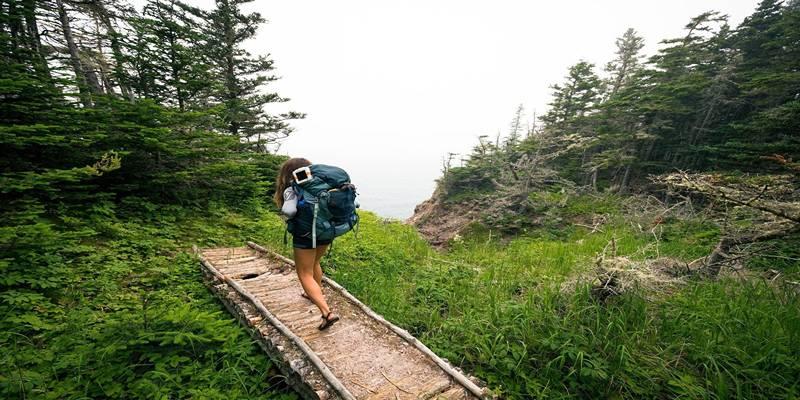
Choosing the right trail is critical for a safe and enjoyable hike. As a beginner, start with easy-to-moderate trails that are well-marked and populated. National and state parks are great options since they often have designated paths that are beginner-friendly.
Before heading out, research the trail online. Read reviews or check forums where fellow hikers share their experiences. Pay attention to difficulty levels, trail length, and any warnings or alerts regarding the area. If you're a first-time solo hiker, choose trails that are close to civilization and have reliable cell service. Always avoid isolated, difficult, or dangerous trails until you gain more experience.
Safety Tips for Solo Hiking
Safety is paramount when hiking alone. Here are some important pointers to remember:
- Inform Someone About Your Hike: Always tell a friend or family member where you're going, which trail you'll be on, and when you expect to return. If possible, provide your phone number and emergency contact.
- Know Your Limits: Don't push yourself too hard. Listen to your body, and if you feel tired, it's okay to turn back or take breaks.
- Check the Weather: Be sure to check the weather forecast before you hike. If conditions look unfavorable, postpone your trip. Weather can change quickly, so pack extra layers and waterproof clothing.
- Stay Alert: Keep an eye on your surroundings, especially if you're in a remote area. Being aware of wildlife, other hikers, and the terrain can help prevent accidents.
- Carry a First-Aid Kit: A basic first-aid kit is essential. Include bandages, antiseptic, blister treatment, and any necessary medications.
Handling Emergencies on a Solo Hike
Being ready is crucial since emergencies might arise. Remain calm and take stock of the situation if you are hurt or lost. Keep a signal mirror or whistle with you in case you need to draw attention. Call for assistance or text a friend with your location if you have cell service. A personal locating beacon or satellite phone might be invaluable in more isolated locations.
If you are hurt, don't try to go on the trek if it's dangerous. Wait for assistance and remain where you are if needed. Always have emergency materials on hand, including a rain poncho and a warm blanket, to keep oneself safe in case of emergencies.
Essential Gear for Solo Hiking
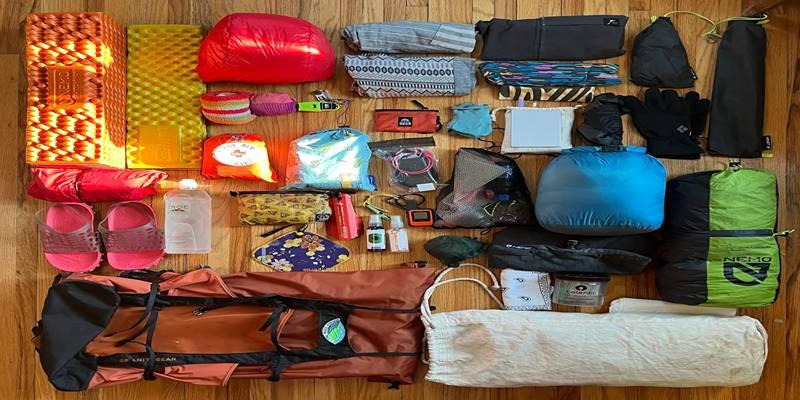
Packing the right gear can make all the difference in your solo hike. Here's what you'll need:
- Backpack: Choose a lightweight, comfortable backpack that fits well. For day hikes, a small daypack should suffice, but longer hikes may require a larger pack.
- Water and Snacks: Make sure you have enough water on hand to stay hydrated. Energy bars, trail mixes, or fruits are great for quick energy boosts.
- Clothing: Wear moisture-wicking layers to regulate body temperature. Steer clear of cotton as it absorbs moisture and might cause chills. Consider a weatherproof jacket for rain or wind.
- Navigation Tools: Always bring a map or compass. A GPS device can be helpful, but don't rely solely on your phone's GPS as it may lose signal in remote areas.
- Headlamp or Flashlight: A headlamp is useful even if you plan to finish before dark. It helps you see in low-light conditions and keeps your hands free.
- Sunscreen and Bug Repellent: Protect your skin from harmful UV rays and avoid pesky insects with these essentials.
Mental Preparation for Solo Hiking
Solo hiking requires mental resilience. Being alone in nature can be both exhilarating and intimidating. If you're nervous or anxious, start by setting realistic expectations. Understand that there may be moments of loneliness, discomfort, or uncertainty.
Mentally prepare yourself by accepting that not everything will go according to plan. Trails might be harder than expected, or you might face unexpected weather. That's all part of the adventure. Trust your instincts and remind yourself that you are capable of handling whatever comes your way. Over time, solo hiking will become less intimidating and more empowering as you gain confidence in your ability to navigate challenges independently.
Conclusion
Women may bond with nature, gain self-reliance, and enjoy isolation while hiking alone. There are hazards, but planning, safety knowledge, and the correct gear can make it fun and safe. Solo hiking on local trails or in the woods may build mental toughness, confidence, and memories. Prepare, be safe, and trust yourself throughout. Follow this method to enjoy solitary trekking and adventure. Pack your bags, choose a path, and enjoy!